Think About Screen Size and Display Quality
The screen plays a big role in your daily experience. A smaller laptop screen, such as 13 or 14
inches, is easier to carry and works well for travel, school, or casual use. A larger screen, such
as 15 or 16 inches, gives you more room for multitasking, editing documents, watching videos,
or working with creative software.
For desktops, you can choose a monitor size that fits your desk and work style. A larger monitor
can make a big difference if you often compare documents, manage multiple tabs, edit images,
or use design tools.

Display quality also matters. A bright, clear screen with good color can reduce eye strain and
make everything look better. If you work with photos, videos, graphics, or design projects, look
for a display with strong color accuracy and high resolution. If you mainly use your computer for
basic tasks, a standard clear display may be enough.
Understand Performance Basics
Computer specifications can sound confusing, but a few key parts matter most.
The processor is like the brain of the computer. It affects how quickly your computer handles
tasks. Basic users can do well with an entry-level or mid-range processor, while professionals,
creators, and gamers may want something more powerful.
Memory, also called RAM, helps your computer run multiple tasks at the same time. If you like
keeping many browser tabs open, using video calls, editing files, or switching between
programs, more memory can make your computer feel smoother. For everyday use, a moderate
amount of RAM is usually enough. For heavier work, more RAM is worth considering.
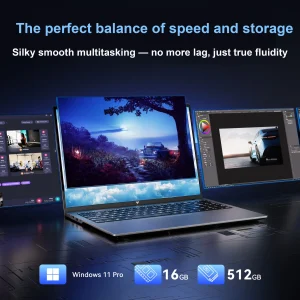
Storage is where your files, apps, photos, videos, and downloads live. Solid-state drives, often
called SSDs, are much faster than older hard drives. They help your computer start up faster,
open apps quicker, and feel more responsive. If you store lots of photos, videos, games, or
large files, choose more storage or plan to use external storage or cloud storage.
Graphics power matters most for gaming, video editing, 3D design, animation, and other
visual-heavy tasks. Everyday users may not need a dedicated graphics card, but gamers and
creators should pay close attention to this feature.
